




-
Sale
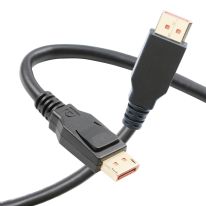 SKU: 022.002.0231 1m DisplayPort v1.4 Cable Male to Male | 8K @60Hz BlackSpecial Price $20.25 $17.61 Regular Price $22.51 $19.57
In stock
-
Sale
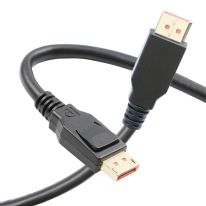 SKU: 022.002.0232 1.5m DisplayPort v1.4 Cable Male to Male | 8K @60Hz BlackSpecial Price $20.44 $17.77 Regular Price $22.70 $19.74
In stock
-
Sale
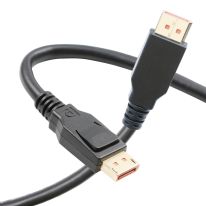 SKU: 022.002.0233 2m DisplayPort v1.4 Cable Male to Male | 8K @60Hz BlackSpecial Price $20.65 $17.96 Regular Price $22.95 $19.96
In stock
-
Sale
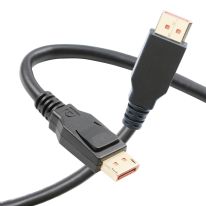 SKU: 022.002.0234 3m DisplayPort v1.4 Cable Male to Male | 8K @60Hz BlackSpecial Price $28.75 $25.00 Regular Price $31.95 $27.78
In stock
-
Sale
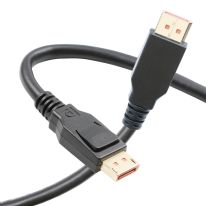 SKU: 022.002.0235 5m DisplayPort v1.4 Cable Male to Male | 8K @60Hz BlackSpecial Price $31.95 $27.78 Regular Price $35.50 $30.87
In stock
-
Sale
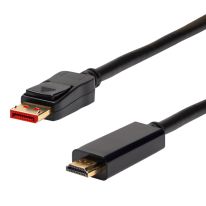 SKU: 022.002.0340 1m DisplayPort Male to HDMI® Male Cable | Supports 4K @60Hz as specified in HDMI 2.0Special Price $27.45 $23.87 Regular Price $30.50 $26.52
In stock
-
Sale
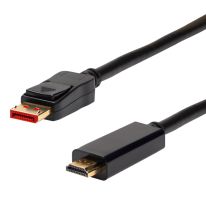 SKU: 022.002.0341 1.5m DisplayPort Male to HDMI® Male Cable | Supports 4K @60Hz as specified in HDMI 2.0Special Price $29.24 $25.43 Regular Price $32.50 $28.26
In stock
-
Sale
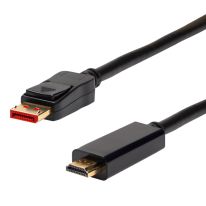 SKU: 022.002.0342 2m DisplayPort Male to HDMI® Male Cable | Supports 4K @60Hz as specified in HDMI 2.0Special Price $31.05 $27.00 Regular Price $34.50 $30.00
In stock
-
Sale
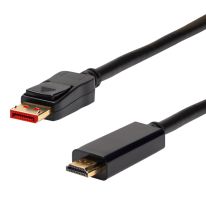 SKU: 022.002.0343 3m DisplayPort Male to HDMI® Male Cable | Supports 4K @60Hz as specified in HDMI 2.0Special Price $35.56 $30.92 Regular Price $39.50 $34.35
In stock
DisplayPort Cables
9 Results