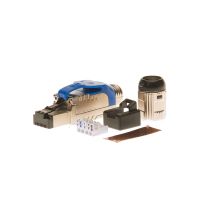



What are Crimp Plugs?
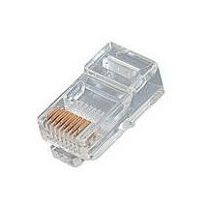
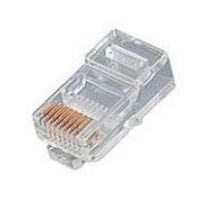
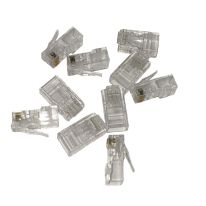
A crimp plug, also known as a crimp connector or crimp terminal, is a small but essential piece that keeps your cable working as they should. It’s attached to the end of a stripped wire using a crimping tool, which compresses the plug around the conductor to form a tight, lasting connection. Done properly, that joint stays secure for years.
In data and networking setups, the RJ45 crimp plug is the one you’ll see most. It’s what connects Cat5e and Cat6 cables to patch panels, routers or wall sockets. You’ll also find crimp plugs in audio-visual systems and telecom projects, anywhere a steady, low-resistance connection matters.
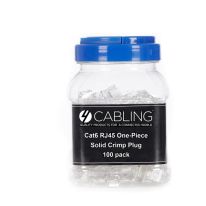
If you’re crimping your own cable, start with quality gear. 4Cabling stocks solid, stranded and shielded plugs made for professional installers who value consistent results. Order online for fast delivery and enjoy free delivery for most orders over $150.
Key Features
50-Micron Gold-Plated Contacts
Every RJ45 crimp plug in the 4Cabling range uses 50-micron gold-plated contacts. That thin layer of gold keeps the metal from corroding and helps data flow cleanly with less resistance. It’s a detail that might sound small but makes a real difference over time, keeping your connections fast and reliable.
Durable, Clear Polycarbonate Body
Each plug has a tough, clear polycarbonate body so you can see exactly how your wires sit before you crimp. The sturdy housing resists cracking and holds up under pressure, which means fewer mis-crimps and a cleaner finish. It’s simply built for everyday use.
How to Choose the Right Crimp Plug
Choosing the right crimp plug means better performance and fewer network problems later on. Here’s what to look for before you start crimping.
1. Match Your Cable Category:
The first and most important step is to ensure the plug matches your cable type. A Cat6 cable needs Cat6 plugs, as mixing categories can lead to slower speeds or a poor fit. Explore our full cable range here.
2. Match Your Cable Shielding:
If you’re working with Shielded (STP) or Foiled (FTP) cable, use a shielded RJ45 crimp plug. That way, the grounding remains intact and you avoid interference that can cause data loss or static.
3. Don't Forget the Tools:
Even the best plug won’t perform properly without the right crimping tool. A proper tool applies even pressure, gives a firm grip and helps you hit every termination perfectly. It’s a simple investment that pays off in cleaner, more reliable work.
Frequently Asked Questions
What's the difference between a Cat5e plug and a Cat6 plug?
A Cat5e plug has a simpler, flat pin layout, while a Cat6 plug uses a staggered design to handle higher frequencies. The right match ensures a cleaner signal transfer and fewer connection issues.
What is a "pass-through" RJ45 connector?
A pass-through connector lets the individual wires extend through the front of the plug, making it easier to line everything up before crimping. It’s handy for accuracy, especially when working with multiple cables.
Can I use a Cat6 plug on a Cat5e cable?
You can, but it’s not ideal. For best results, always match your crimp plug to your cable type. The correct pairing keeps your connection stable and performance consistent.